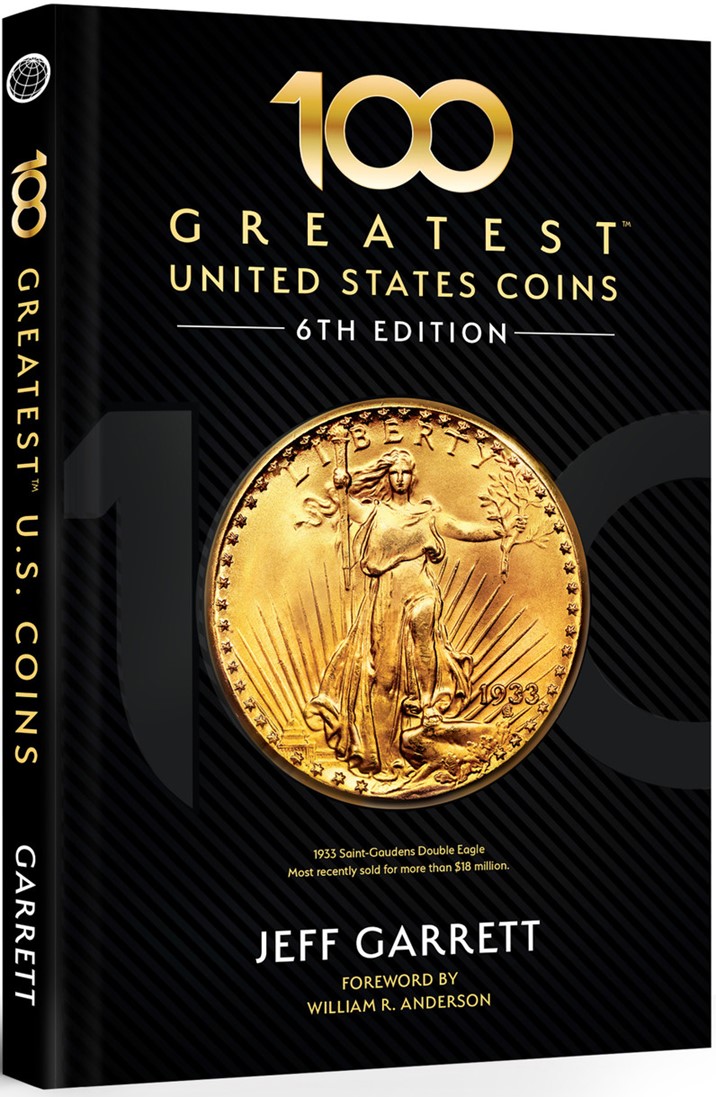
There has never been a better time to be a coin collector. When I first started in rare coins, the primary source for information was the annual edition of A Guide Book of United States Coins (the “Red Book”). The Red Book is still a great source of information, especially for beginners, but it is one small piece of the incredible numismatic knowledge now available. We live in the “Information Age” and the wealth of information about rare coins grows every year. There are now specialty books for nearly every series of US coinage.
One of the most important developments for the hobby occurred more than 20 years ago, when the Anderson brothers purchased Whitman Publishing. They fostered and developed dozens of books about rare coins, greatly increasing interest in numismatics. My book, 100 Greatest U.S. Coins, is just one of the many books produced for the general public that has grown the hobby. For the first time, books about rare coins were being sold in major bookstores around the country. More recently, the Coin Dealers Newsletter (CDN Publishing) has acquired Whitman, with even more plans to expand numismatic knowledge.
 |
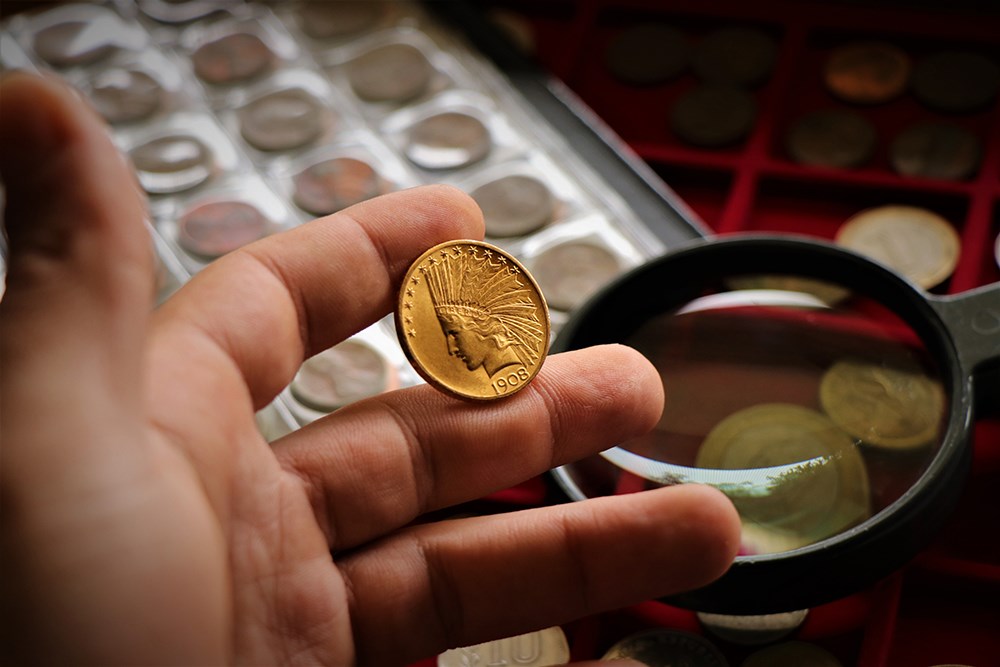
Most collectors of US coinage will be purchasing coins graded by a third-party grading service. This is highly recommended for authenticity and grading. Third-party grading by companies such as NGC is a well-established pillar of the hobby — and for good reason. Rare coins can be very expensive, and having the security of third-party grading is essential. I could not imagine that well-heeled buyers today would consider the hobby without this security. Many attribute the growth of the hobby over the last 40 years to the invention of third-party grading.
 |
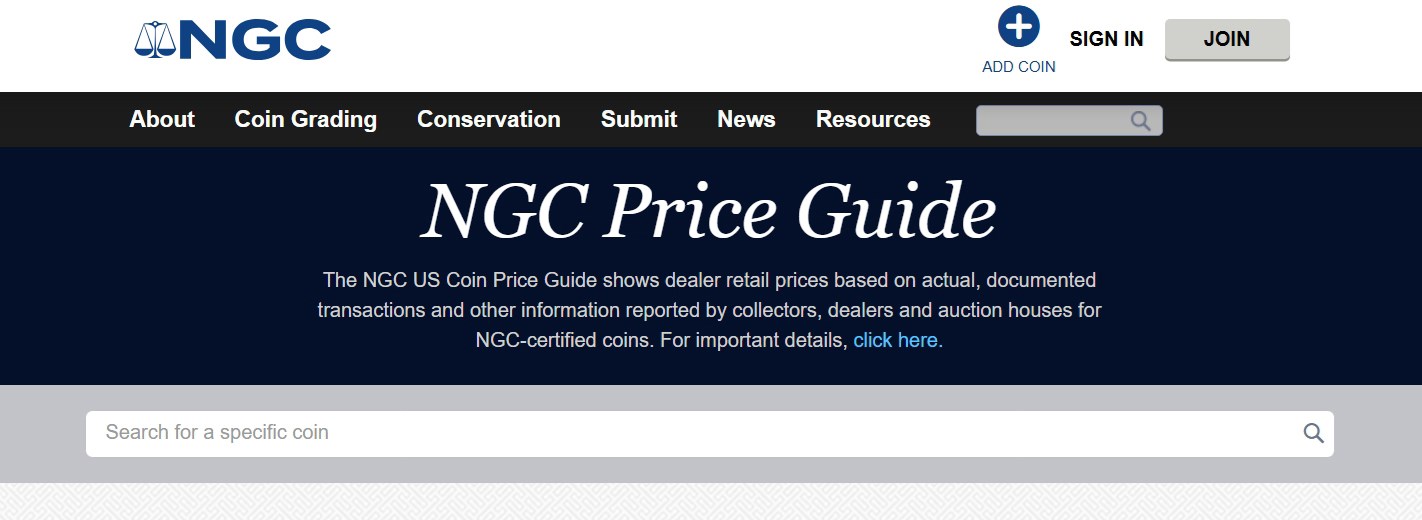
There are many price guides available for collectors. One of the most popular is the monthly Greysheet publications. They offer both wholesale and retail price guides, and they are used by nearly every numismatic professional. These price guides are also offered online and prices are updated daily. With bullion prices being so volatile in the last few years, these online price guides can be invaluable. NGC also has an online price guide for US and World coinage, with one of the most extensive databases in the hobby for collectors.
 |
As mentioned above, not all coins of the same grade look the same. When checking prices realized, it is important to review the photographs of the coins for quality. If the coin appears to be subpar, this can explain a low auction price. Conversely, if the coin is amazing for the grade or even a candidate for upgrading, the price realized can be astounding and not make sense. Auction prices are just one of the many tools available for understanding pricing, but you need to learn how to use them.
One of my best pieces of advice for learning about rare coins is to actually examine auction lots for major sales. You have the opportunity to see millions of dollars’ worth of rare coins up close. You can see for yourself the difference in quality for coins in the same grade. You should then review prices realized for more useful information. After more than 50 years in the rare coin business, I still review lots at major auction sales for the above reasons. The knowledge gained is invaluable to my business.
When collecting US coinage, you will probably focus on one series to collect. Try to fully understand the series and learn about the coin’s history, method of production, mintage survival, and the other nuances that make them interesting. Collecting rare coins is much more than just filling a list. Finding a trusted mentor will also pay dividends in the long run. They will probably have access to coins you would not, and they can give guidance on current values.
 |
If you find a coin that is extremely rare but the price seems exorbitant, just remember it could be years before you are offered another example. Price guides are just guides and, for many coins, the actual costs may vary considerably.
There are many tools available for modern collectors, and you are encouraged to learn how to use them. There is also much misinformation about numismatics these days, and you will need to be careful and consider the source. This will probably become an even bigger issue as artificial intelligence (AI) infiltrates the hobby. Several companies are now using AI to create coin listings instead of experienced numismatists. When making an important buying decision, do your homework and ask for advice. Your long-term success as a collector will depend on it.
Want to see more articles like this? Subscribe to the free NGC Proof.